Subscribe to the BHH Newsletter and stay up to date on the latest news, events and opportunities of the BHH digital health ecosystem.


Recinte Modernista de Sant Pau
Carrer de Sant Antoni Maria Claret 167
08025 Barcelona, Spain
contact@barcelonahealthhub.com

Back
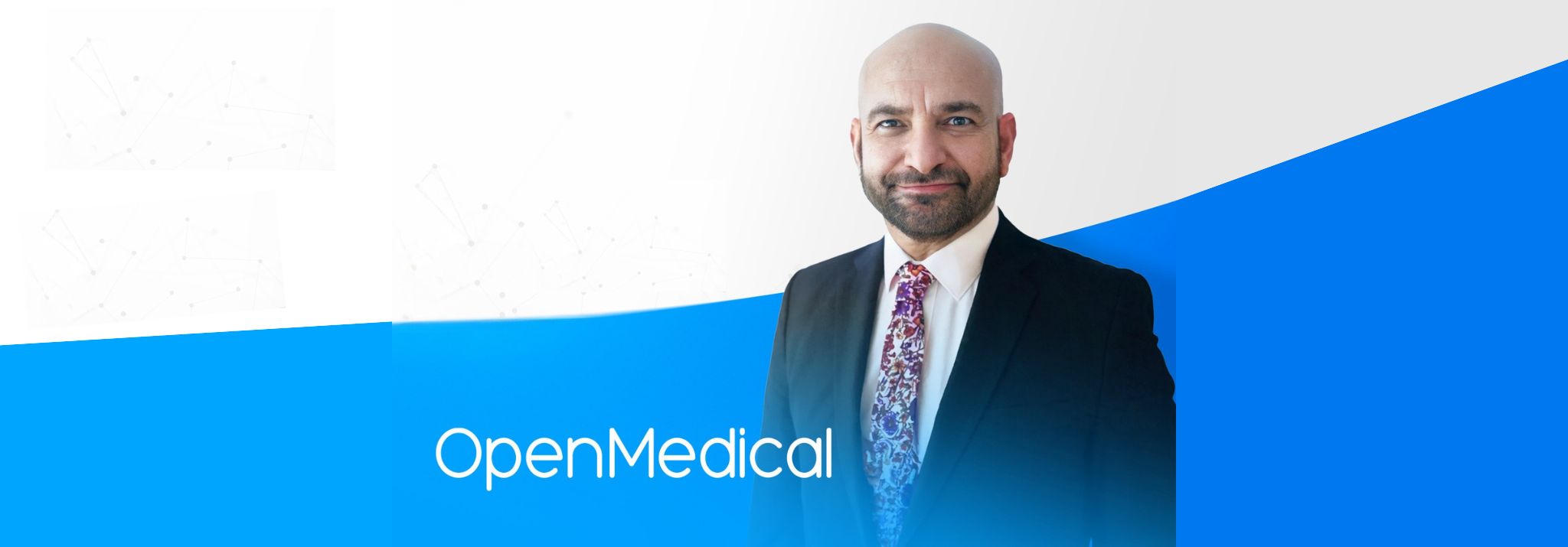
Moh Thudor on how Pathpoint eDerma is reducing waiting times, costs, and health inequalities in dermatology
MARCH 26, 2025
Members' Initiatives
Dermatology services face some of the longest waiting times in the Spanish National Health System (SNS), a challenge that is particularly critical for suspected skin cancer, where early diagnosis and treatment can be life-saving.
Teledermatology, which allows clinicians to remotely assess skin conditions, has been recognised as a key solution. However, for it to be truly effective, it should not only speed up diagnosis but also improve access for underserved regions and provide clinicians with future-proof support in managing the rising demand.
"The problem in dermatology isn't just that referrals have increased and there aren’t enough specialists," explains Moh Thudor, Director of International Strategy at BHH & MHH member Open Medical. "The real issue is that current processes were not designed for today’s demand. Patient pathways need restructuring to increase clinician capacity, support better decision-making, and ensure patients receive the care they need, when they need it."
Building a smarter teledermatology pathway
Pathpoint eDerma, Open Medical's cloud-based teledermatology platform, has proven to be a highly effective teledermatology solution.
One of its most successful implementations has been through community diagnostic centres (CDCs).
"In this model, patients with suspected malignant skin lesions are referred from primary care to a CDC, where high-quality images of their lesions are captured, and they also complete a digital questionnaire, which was developed with patient representatives," Moh Thudor explains.
"The primary care physician’s findings, images, and completed questionnaire are then sent securely via eDerma to a dermatologist within the hospital’s dermatology service," Moh adds. "This allows the dermatologists to make quicker and more informed decisions, reducing unnecessary hospital visits and making sure urgent cases are identified and prioritised effectively."
Measurable improvements in dermatology services
Since the implementation of an eDerma-enabled community care model, dermatology services have seen significant efficiency gains:
- Patients receive a diagnosis 14 days sooner than with traditional pathways.
- Dermatologists can assess cases in 5 minutes compared to 20 prior to eDerma, quadrupling capacity.
- It costs €54 less per patient than face-to-face consultations.
- Dermatologists using eDerma are 18% less likely to order a biopsy, saving up to €161 for those patients.
- No disparity in referral-to-diagnosis times across socioeconomic groups.
"The improvements in efficiency are clear," says Thudor. "But what’s equally important is the impact on healthcare equity. eDerma is increasing access, ensuring that all patients, regardless of where they live or their financial situation, have the same opportunity for timely diagnosis and treatment. That is a significant step forward."
Expanding access to care in rural regions
A study in East Kent, England, demonstrated the direct benefits of eDerma’s CDC model for patients:
- From the initiation of referral to the point of receiving a diagnosis, patients on average saved 58.6 minutes per diagnosis and €21 per visit.
- Those from lower socioeconomic backgrounds experienced the greatest financial and logistical benefits, reinforcing teledermatology’s role in reducing health inequalities.
"For patients in remote areas, the difficulty of accessing a dermatologist can mean the difference between seeking care or going without," Thudor says. "By removing these barriers, eDerma ensures that more patients can get the specialist care they need—when they need it—potentially making a life-saving difference."
The future of dermatology in Spain
With regional disparities in healthcare access, Spain stands to benefit from scalable, structured teledermatology pathways.
"And the beautiful thing about Pathpoint eDerma," Moh notes, "is that its fully adaptable, having already enabled different models of care in the NHS based on local needs and context."
As Spain looks to modernise dermatology services, solutions like eDerma offer a clear path forward—delivering faster, more efficient, and more accessible care for all patients, fitting to the community it aims to serve.
Discover Pathpoint eDerma and find out more HERE.
You may also like
See all

July 04, 2025
Members' Initiatives
Members' News
July 03, 2025
Members' Initiatives
Members' News
July 01, 2025
Members' Initiatives
July 01, 2025
Members' Initiatives
July 01, 2025
Members' Initiatives
June 30, 2025
Members' Initiatives
June 30, 2025
Members' Initiatives
June 27, 2025
Members' Initiatives
June 26, 2025
Members' Initiatives
June 25, 2025
Members' Initiatives

Recinte Modernista de Sant Pau
Carrer de Sant Antoni Maria Claret 167
08025 Barcelona, Spain
