Subscribe to the BHH Newsletter and stay up to date on the latest news, events and opportunities of the BHH digital health ecosystem.


Recinte Modernista de Sant Pau
Carrer de Sant Antoni Maria Claret 167
08025 Barcelona, Spain
contact@barcelonahealthhub.com

Back
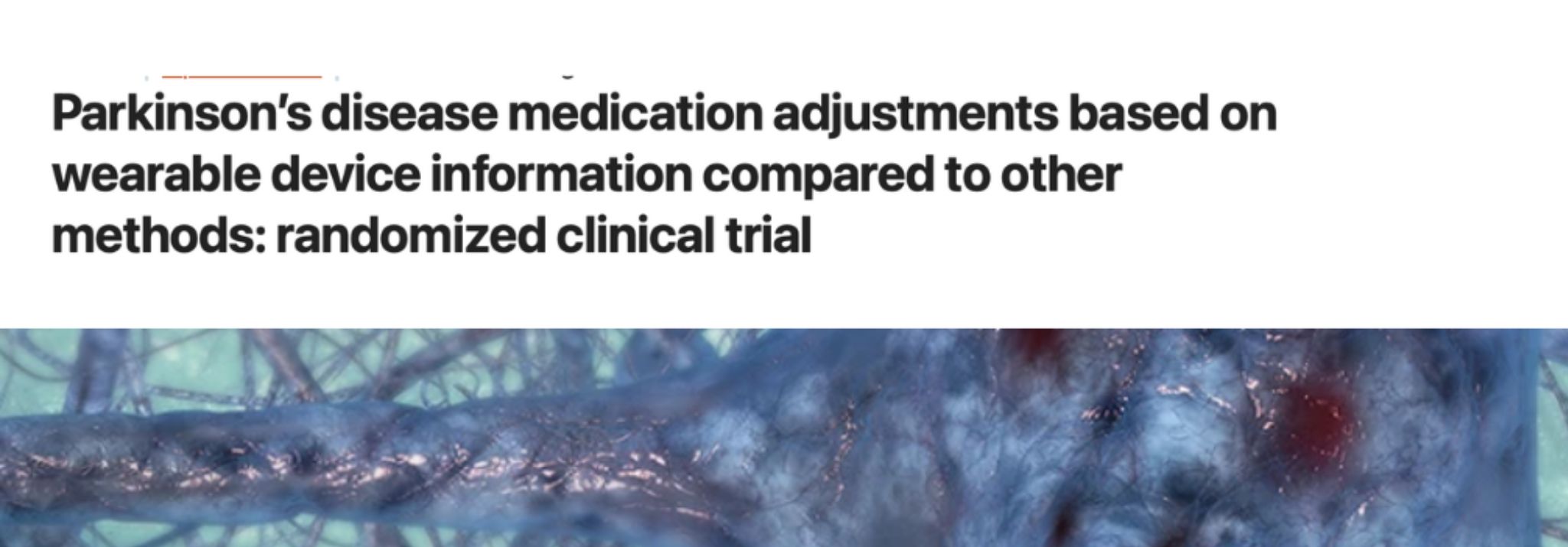
STAT-ON® in Nature npj Parkinson’s Disease: A Milestone for Real-World Clinical Evidence
SEPTEMBER 4, 2025
Members' News
The recently published MoMoPa-EC trial in Nature npj Parkinson’s Disease marks a landmark achievement for Parkinson’s disease care and digital health innovation. Conducted across 35 hospitals and involving 156 patients, this is the world’s first clinical study to evaluate a wearable device—STAT-ON®—in real-world clinical practice. The findings demonstrate that STAT-ON® met the rigorous criteria of a clinical trial without showing inferiority to established methods such as patient diaries or standard visits assessed with UPDRS. More importantly, it delivered continuous, objective, and patient-friendly data, providing neurologists with a reliable and validated alternative to traditional, subjective reporting tools. With zero technical failures or patient dropouts, STAT-ON® proved not only scientifically robust but also highly usable and well accepted by both patients and clinicians across all study centers.
While STAT-ON® successfully delivered on its promise, the study highlighted an important reality: the greatest barrier to transforming Parkinson’s care is not technology, but the healthcare system itself. Despite access to detailed motor reports generated by the wearable, many neurologists continued to rely primarily on patients’ self-perception during consultations. Contributing factors included limited consultation time, insufficient training in digital data interpretation, therapeutic caution, and a degree of skepticism toward adopting new technologies in routine care. This explains why no significant differences in clinical outcomes were observed between STAT-ON® and conventional approaches. The wearable worked as designed, but its full potential was constrained by systemic limitations in how healthcare professionals process and act upon new types of digital evidence.
The broader message of the MoMoPa-EC trial is clear: technology is ready, but healthcare and physicians must evolve to unlock its impact. STAT-ON® provides scientifically validated algorithms, objective motor profiling, and high adherence with zero burden on patients—making it an ideal tool for continuous and remote monitoring. Its potential lies not only in complementing clinical visits but also in enabling a new era of personalized care, where treatment decisions can be informed by real-world data rather than short, episodic assessments. This milestone study underscores the need for healthcare systems to integrate digital biomarkers into workflows, train professionals in interpreting new data formats, and embrace a more proactive model of Parkinson’s care. STAT-ON® has proven that the future of monitoring is both feasible and effective—the challenge now is for clinical practice and healthcare structures to adapt accordingly.
You may also like
See all

October 05, 2026
Members' News
September 21, 2026
Members' News
September 21, 2026
Members' News
September 11, 2026
Members' News
September 11, 2026
Members' News
July 17, 2026
Members' News
July 15, 2026
Members' News
July 15, 2026
Members' News
July 15, 2026
Members' News
July 10, 2026
Members' News


Recinte Modernista de Sant Pau
Carrer de Sant Antoni Maria Claret 167
08025 Barcelona, Spain
